
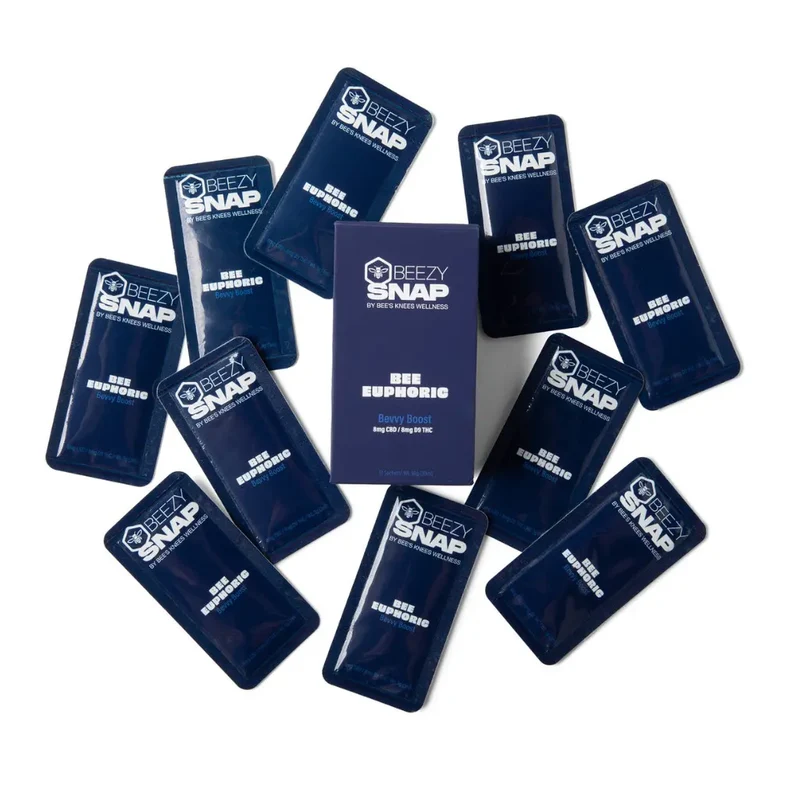

Hemp-derived liquid products come in several formats, including dropper bottles, single-serve drink enhancers and ready-made beverages. Although these products may contain hemp extracts or cannabinoids such as THC and CBD, their ingredients, strengths and intended uses can differ considerably. Understanding these differences helps adults compare serving control, portability, product labelling and preparation requirements before making a purchase. If you are researching hemp drops for drinks, it is worth checking how the product is measured and whether it is designed to be mixed into a beverage. The format alone does not establish its strength, effects or suitability, so always review the product information before use.
What Are Hemp Drops for Drinks?
Hemp drops for drinks generally refer to liquid hemp-derived products that can be added to a beverage when the manufacturer permits this use. They are often supplied in bottles with droppers or other measuring mechanisms, although packaging and instructions vary. The formula may contain CBD, THC, other hemp-derived compounds or a combination of ingredients. Not every hemp extract contains THC, and a product described as hemp-based should not automatically be assumed to have intoxicating effects. Check the cannabinoid information and intended use on the label to understand what the specific product contains.
Before comparing products, review these details:
- Cannabinoid content: Identify whether the formula contains THC, CBD or other listed cannabinoids.
- Concentration: Check the amount of each cannabinoid in the stated quantity of liquid.
- Intended use: Confirm whether the product is designed for beverages or another application.
- Measurement instructions: Check how the manufacturer defines and measures one serving.
- Ingredient information: Review the complete ingredient list, including flavourings and carrier ingredients.
Hemp liquid drops are not all formulated in the same way. Some products are designed for precise measurement from a bottle, while others may have different directions or concentrations. A liquid extract intended for one application should not be added to a drink unless the manufacturer confirms that use. Reading the label carefully helps prevent confusion about ingredients, serving sizes and appropriate handling.
Hemp Drops vs Single-Serve THC Beverage Boosters
A dropper bottle and a single-serve THC beverage booster can both provide a liquid format, but their packaging and serving methods differ. Dropper bottles generally contain multiple portions, which users measure according to the product instructions. Single-serve enhancers are packaged into individual portions, with the amount per unit specified by the manufacturer. The practical difference is how each format is measured, stored and prepared rather than whether one is inherently more effective. Compare the product’s actual formulation and label instead of assuming that all liquid products work alike.
Consider these differences when comparing formats:
- Serving control: Dropper bottles require measurement, while single-serve formats provide a designated portion.
- Portability: Individual portions may be convenient to carry, while bottles need suitable storage and careful handling.
- Preparation: Both formats require users to follow the manufacturer’s directions for adding the product to a beverage.
- Storage: Packaging and storage requirements vary by formula and container.
- Product information: Both formats should clearly state cannabinoid quantities, ingredients and warnings.
Single-serve packaging can reduce the need to measure liquid each time, but it does not remove the need to understand the stated serving strength. A bottle may offer flexibility in portion measurement, yet that depends on clear instructions and accurate measuring. Neither format guarantees a particular effect or onset time. The amount consumed, the formulation and individual sensitivity can all influence the experience.
How Pre-Mixed THC Beverages Compare
A pre-mixed THC beverage differs from both hemp drops and liquid enhancers because it arrives as a prepared drink. Consumers do not need to add a separate product, although they still need to check the serving information and follow the label. A beverage may contain THC, CBD or other ingredients, depending on its formulation. Its total cannabinoid content may apply to the full container or be stated per serving, so the label must be read carefully. Packaging alone cannot tell you how strong a drink is.
The main differences include:
- Preparation: A pre-mixed drink is ready according to its instructions, while drops and enhancers may require mixing.
- Measurement: Liquid products may need measuring, whereas a packaged beverage may specify a serving by volume.
- Portability: Bottles, individual portions and cans have different carrying and storage requirements.
- Ingredient choice: Each product has its own formula, so compare ingredients rather than relying on the category name.
- Serving information: Check the amount per serving and the total amount in the package for every format.
A pre-mixed beverage is not necessarily weaker than a concentrated enhancer, and a dropper bottle is not automatically more precise. These comparisons depend on the actual product and the manufacturer’s serving instructions. The amount of THC consumed remains relevant regardless of whether it comes from drops, a booster or a prepared drink. Avoid comparing package sizes without also checking the number of servings and the cannabinoid quantity in each one.
Understanding THC and CBD Labelling
THC and CBD are different cannabinoids found in cannabis and hemp plants. THC can cause intoxicating effects, including changes in perception, coordination, attention and judgement. CBD is not considered intoxicating in the same way, but its presence does not guarantee that a product will prevent or cancel THC-related impairment. Some products contain only one of these cannabinoids, while others combine them in different amounts. Check the label to confirm which compounds are present and how much of each is listed.
When reading cannabinoid information, look for the following:
- Amount per serving: Identify the stated THC and CBD quantities in one portion.
- Total package content: Distinguish the full package amount from the amount per serving.
- Serving count: Check how many portions the container or multipack contains.
- Ingredient details: Review any additional cannabinoids and other listed ingredients.
- Use warnings: Read precautions relating to impairment, storage and product handling.
A label should provide enough information to understand the product’s stated strength and intended use. If it lists only a total amount without explaining serving sizes, ask the seller for clarification. Do not assume that two products with the same total cannabinoid content deliver the same amount in each serving. Differences in concentration, formulation and packaging can affect how the product is measured and used.
Why Third-Party Testing Matters
Third-party laboratory reports can help consumers assess the information supplied about a hemp-derived product. Look for a Certificate of Analysis, or COA, that identifies the product or batch and provides cannabinoid test results. Review the testing date and check whether the report includes relevant contaminant screening, such as testing for pesticides, heavy metals, residual solvents or microbial contaminants where applicable. The report should be connected to the product being considered rather than presented as an unrelated document. If the report is unclear, contact the seller before purchasing.
A COA has limitations that are worth understanding. It describes the sample tested and the results of the analyses included in the report, not necessarily every batch or every possible contaminant. It also does not establish that a product is completely risk-free. Compare the reported cannabinoid amounts with the label and check that the product identification matches. Clear testing information is one useful part of product evaluation, alongside ingredients, serving instructions and responsible-use warnings.
Portability, Ease of Use and Price
Convenience depends on how a product is packaged and how it needs to be measured. Dropper bottles may suit users who prefer a multi-serving container, but they require careful measurement and secure storage. Individual enhancers may be easier to carry in separate portions, while ready-made beverages avoid the need to mix a separate liquid. These practical differences should be weighed against the manufacturer’s directions and storage requirements. Choose a format based on clear product information rather than assuming that convenience indicates quality.
When comparing the overall value, consider:
- Price per serving: Divide the package price by the stated number of servings.
- Packaging: Check whether the container protects the product and keeps its instructions accessible.
- Ease of measurement: Consider whether the serving can be measured as directed.
- Storage needs: Review any requirements concerning temperature, light or use after opening.
- Delivery costs: Include shipping charges and other fees shown at checkout.
A lower package price does not automatically make one format better value. The number of servings, cannabinoid strength, testing information and product formula all matter when comparing options. Be cautious about paying more based only on broad claims about quality or effects. Check the details for each product and make sure the advertised information answers the questions that matter to you.
Adults comparing available formats can review hemp-derived products online to examine product descriptions and serving details. If you encounter a phrase such as “5mg THC drink for beginners”, do not treat the wording as a guarantee of suitability or a recommendation for first-time use. Individual responses to THC vary, and even lower amounts can cause unwanted effects. Check the actual product’s serving information, warnings and ingredients, and remember that legal availability varies by location.
Responsible Use and Legal Considerations
THC can cause impairment, and the effects may be delayed when it is consumed in a beverage or another orally consumed product. Follow the label, avoid taking more too soon and do not drive or operate machinery after using THC. Avoid combining THC with alcohol or other intoxicating substances. Store all products securely and out of reach of children and pets, preferably in their original packaging. If you have questions about potential interactions or whether THC is appropriate for you, seek advice from a qualified healthcare professional.
Rules governing hemp-derived THC products vary across the United States and can change. A product being available online does not mean that it is legal in every state or can be shipped to every address. Check the current requirements that apply to your location, along with the seller’s shipping and age-verification policies. Do not try to bypass restrictions if a seller cannot deliver to your area. Confirming the relevant rules before ordering is part of making an informed purchasing decision.
Conclusion
Hemp drops, single-serve THC beverage boosters and pre-mixed drinks offer different ways to encounter hemp-derived liquid products, but their formulas and serving methods are not interchangeable. Compare cannabinoid amounts, measurement instructions, portability, ingredients and available third-party testing before choosing a format. Check whether the product is intended for beverages and follow the manufacturer’s directions rather than assuming all liquid extracts can be mixed into drinks. Remember that THC can cause impairment, that effects may be delayed and that CBD does not guarantee protection from THC’s effects. Reviewing the product details and current local requirements helps you make a more informed decision about any hemp-derived liquid product.
Frequently Asked Questions
1. Are hemp drops for drinks the same as THC beverage boosters?
Not necessarily. Hemp drops usually refer to liquid products measured from a bottle, while THC beverage boosters may be supplied in individual portions or other formats. Ingredients, cannabinoid strength and intended use vary, so check each product’s label.
2. Can all hemp liquid drops be added to beverages?
No. Only add a product to a beverage if the manufacturer states that it is intended for that use and provides suitable instructions. A hemp extract designed for another application may not be appropriate for drinks.
3. How do I compare THC drops for beverages with pre-mixed drinks?
Compare the THC amount per serving, total package content, ingredients, preparation requirements, storage instructions and available laboratory reports. A pre-mixed drink avoids separate preparation, while drops may require careful measurement.
4. Do CBD and THC drink additives have the same effects?
No. THC can cause intoxicating effects, while CBD is not intoxicating in the same way. Products containing both cannabinoids can still cause THC-related impairment, and CBD should not be assumed to cancel those effects.
5. Where can I ask questions about Beezy Snaps products?
Review the relevant product page for current serving strength, ingredients, instructions and available testing information. For questions that are not answered online, you can contact Beezy Snaps before making a purchase.
