
Introduction
Life is filled with countless responsibilities, decisions, and unexpected challenges. From managing household tasks and maintaining good health to handling finances and staying productive, people often face situations that can feel overwhelming. While some problems may seem complicated, many can be resolved through simple and practical daily life solutions that improve efficiency and reduce stress.
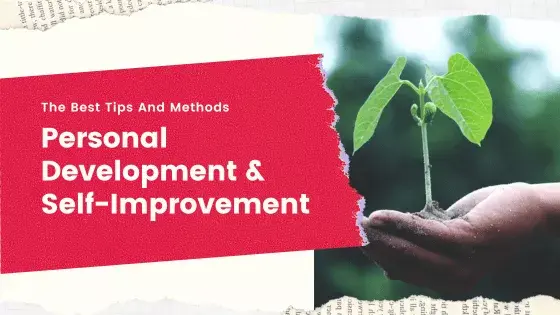
Daily life solutions refer to strategies, habits, and techniques that help individuals manage everyday tasks more effectively. These solutions are not limited to one area of life; they apply to personal development, work, education, health, relationships, and financial management. By implementing small but meaningful changes, anyone can improve their quality of life and achieve greater balance.
For beginners, understanding how to solve daily challenges effectively can make a significant difference. Instead of reacting to problems after they occur, proactive planning and smart decision-making help prevent issues before they arise. The goal is not perfection but continuous improvement through practical actions.
This guide explores daily life solutions in detail, including their importance, implementation strategies, benefits, risks, common mistakes, frequently asked questions, and expert recommendations. Whether you are a student, employee, business owner, homemaker, or retiree, the insights shared here can help you navigate everyday life with greater confidence and success.
What is Daily Life Solutions?
Daily life solutions are practical methods, habits, and strategies designed to address common challenges encountered in everyday living. These solutions focus on simplifying tasks, improving productivity, enhancing well-being, and reducing unnecessary stress. They help individuals manage their time, responsibilities, and resources more effectively while creating a smoother daily routine.
These solutions can be applied to various aspects of life, including health, personal organization, communication, financial management, household maintenance, education, and career development. Rather than relying on complex systems, daily life solutions often involve simple actions that produce long-term positive results. Examples include creating a daily schedule, maintaining healthy habits, budgeting expenses, prioritizing important tasks, and developing problem-solving skills. The effectiveness of daily life solutions lies in their practicality and consistency, making them accessible for people of all ages and backgrounds.
Why is Daily Life Solutions Important?
Modern life moves quickly, and many people struggle to keep up with growing responsibilities. Without effective strategies, stress levels increase, productivity declines, and important goals become difficult to achieve. Daily life solutions provide a structured approach to managing these challenges, helping individuals maintain control over their routines and responsibilities.
The importance of daily life solutions extends beyond convenience. They contribute to better physical health, improved mental well-being, stronger relationships, and greater financial stability. By adopting practical solutions, individuals can reduce wasted time, avoid unnecessary complications, and focus their energy on meaningful activities. Consistently applying these methods creates a foundation for long-term success and personal growth, making life more organized, efficient, and enjoyable.
Detailed Step-by-Step Guide
Step 1: Identify Your Daily Challenges
The first step is understanding which problems affect your daily life the most. Take time to observe your routine and identify recurring difficulties. These may include lack of time, disorganization, financial stress, unhealthy habits, or communication issues.
Create a list of challenges and rank them according to urgency and impact. Focusing on the most significant problems first ensures that your efforts produce noticeable improvements. Awareness is the foundation of effective problem-solving.
Step 2: Set Clear and Realistic Goals
Once challenges are identified, establish goals that address them directly. Goals should be specific, measurable, achievable, relevant, and time-bound. For example, instead of saying, “I want to be productive,” set a goal such as, “I will complete my most important task before noon every day.”
Clear goals provide direction and motivation. They also make it easier to track progress and adjust strategies when necessary. Realistic goals prevent frustration and encourage consistency.
Step 3: Create a Daily Schedule
A structured schedule helps organize tasks and reduce confusion throughout the day. Begin by listing essential activities such as work, study, meals, exercise, and relaxation. Allocate time blocks for each activity according to priority.
Avoid overloading your schedule with too many commitments. Leave room for unexpected events and short breaks. A balanced schedule increases productivity while preventing burnout and exhaustion.
Step 4: Prioritize Important Tasks
Not all tasks are equally important. Learn to distinguish between urgent activities and those that can wait. Focus on high-priority responsibilities first before moving on to less important tasks.
Using a priority system allows you to complete meaningful work more efficiently. It also prevents important duties from being delayed due to distractions or low-value activities.
Step 5: Develop Healthy Habits
Healthy habits are essential components of effective daily life solutions. Start with small improvements such as drinking more water, eating nutritious meals, exercising regularly, and maintaining a consistent sleep schedule.
These habits improve energy levels, concentration, and overall well-being. Consistency is more important than perfection. Small daily improvements accumulate into significant long-term benefits.
Step 6: Manage Finances Wisely
Financial stability plays a major role in reducing stress and improving quality of life. Track your income and expenses to understand where your money goes each month. Create a budget that covers necessities while allowing room for savings.
Avoid unnecessary spending and prioritize financial goals. Developing responsible money management habits can prevent debt and increase long-term security.
Step 7: Improve Communication Skills
Effective communication reduces misunderstandings and strengthens relationships. Practice active listening, express your thoughts clearly, and remain respectful during conversations.
Strong communication skills improve personal and professional interactions. They help resolve conflicts efficiently and create stronger connections with others.
Step 8: Reduce Distractions
Modern technology offers many conveniences but can also create distractions. Limit unnecessary screen time, disable non-essential notifications, and create a focused work environment.
Reducing distractions allows you to concentrate on important tasks and complete them more efficiently. Increased focus often leads to higher productivity and better results.
Step 9: Learn Problem-Solving Techniques
Everyday life involves unexpected situations. Instead of reacting emotionally, approach problems systematically. Identify the issue, explore possible solutions, evaluate options, and choose the best course of action.
Strong problem-solving skills improve confidence and help individuals navigate challenges more effectively. They also reduce stress by providing a structured approach to decision-making.
Step 10: Review and Improve Regularly
Daily life solutions are most effective when reviewed consistently. At the end of each week, evaluate what worked well and what needs improvement. Adjust routines, habits, and strategies based on your experiences.
Continuous improvement ensures that your solutions remain effective as circumstances change. Flexibility and adaptability are key to long-term success.
Benefits of Daily Life Solutions
- Improves overall productivity and efficiency
- Reduces stress and anxiety levels
- Enhances time management skills
- Encourages healthy lifestyle habits
- Strengthens personal and professional relationships
- Increases financial awareness and stability
- Improves decision-making abilities
- Creates better work-life balance
- Boosts self-confidence and motivation
- Helps achieve personal and professional goals
- Reduces unnecessary complications
- Promotes long-term personal growth
- Improves organization and planning skills
- Enhances emotional well-being
- Encourages consistency and discipline
Disadvantages / Risks
- Initial implementation may require extra effort
- Some habits take time to develop successfully
- Unrealistic expectations can lead to frustration
- Overplanning may reduce flexibility
- Excessive focus on productivity can cause burnout
- Inconsistent application limits effectiveness
- Adapting to new routines may feel uncomfortable
- External factors can disrupt planned schedules
- Poor goal setting can create confusion
- Lack of patience may discourage progress
Common Mistakes to Avoid
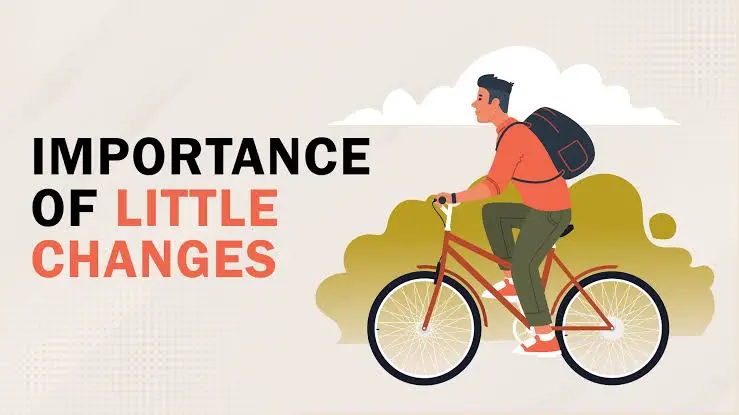
One common mistake is trying to change too many things at once. People often become motivated and attempt to transform every aspect of their lives immediately. While enthusiasm is valuable, excessive changes can become overwhelming and difficult to maintain. Focus on one or two improvements at a time to build sustainable habits.
Another mistake is neglecting consistency. Many individuals start strong but abandon their routines after a few days or weeks. Success depends on regular practice rather than occasional effort. It is also important to avoid perfectionism. Mistakes and setbacks are natural parts of growth. Instead of giving up when challenges arise, learn from them and continue moving forward. Additionally, ignoring self-care, failing to prioritize tasks, and avoiding regular reviews can limit the effectiveness of daily life solutions.
FAQs
1. What are daily life solutions?
Daily life solutions are practical strategies and habits designed to help people manage everyday tasks, responsibilities, and challenges more effectively. They focus on improving efficiency, reducing stress, and enhancing overall quality of life.
2. Who can benefit from daily life solutions?
Anyone can benefit from daily life solutions, including students, professionals, parents, entrepreneurs, and retirees. These strategies are adaptable and can be customized to suit different lifestyles and goals.
3. How long does it take to see results?
Results vary depending on the specific solution and level of consistency. Some improvements, such as better organization and time management, may become noticeable within days, while long-term habits may require weeks or months to show significant results.
4. Are daily life solutions difficult to implement?
Most daily life solutions are simple and practical. The challenge lies in maintaining consistency. Starting with small, manageable changes often makes implementation easier and more sustainable.
5. Can daily life solutions reduce stress?
Yes. Effective planning, organization, and healthy habits help reduce uncertainty and improve control over daily responsibilities. This often leads to lower stress levels and greater peace of mind.
6. Why is time management important in daily life?
Time management helps individuals use their available hours efficiently. It ensures that important tasks receive proper attention while reducing procrastination and last-minute pressure.
7. What is the best way to start improving daily life?
Begin by identifying your biggest challenges and selecting one area for improvement. Create a simple plan, establish realistic goals, and focus on consistent action rather than immediate perfection.
8. How can I stay motivated to follow daily life solutions?
Set meaningful goals, track progress, celebrate small achievements, and remind yourself of the benefits. Motivation often grows when positive results become visible over time.
Expert Tips & Bonus Points
Successful daily life management is built on consistency rather than intensity. Small actions performed daily often produce better results than major efforts performed occasionally. Focus on building habits that are easy to maintain and gradually increase their complexity as your confidence grows.
Keep a journal or planner to monitor progress and identify improvement opportunities. Use technology wisely by leveraging productivity apps, reminders, and digital calendars. Practice gratitude regularly to maintain a positive mindset and improve emotional well-being. Prioritize sleep, as rest directly affects productivity, decision-making, and health. Learn to say no to unnecessary commitments and protect your time from avoidable distractions. Most importantly, remember that personal growth is a continuous journey. Every small improvement contributes to a better and more balanced life.
Conclusion
Daily life solutions provide a practical framework for managing everyday responsibilities and challenges more effectively. In a world filled with constant demands and distractions, having reliable strategies can make a significant difference in productivity, well-being, and overall happiness. These solutions are not about creating a perfect life but about making thoughtful choices that simplify routines and improve outcomes.
By identifying challenges, setting realistic goals, managing time effectively, developing healthy habits, improving communication, and continuously reviewing progress, individuals can create positive changes that last. Even small adjustments can lead to substantial improvements when practiced consistently over time.
The key to success lies in taking action. Rather than waiting for ideal circumstances, begin with simple steps that address your most pressing challenges. Focus on progress instead of perfection and remain flexible as situations evolve. Daily life solutions work best when they become natural parts of your routine rather than temporary fixes.
Ultimately, adopting practical daily life solutions empowers individuals to take control of their lives, reduce unnecessary stress, and achieve greater balance. Whether your goal is increased productivity, improved health, stronger relationships, or personal growth, these strategies provide a solid foundation for long-term success and a more fulfilling everyday experience.