
Introduction
Your home is more than just a place to live. It is where you relax, spend time with family, work, and create memories. Over time, every home requires updates and improvements to maintain comfort, functionality, and visual appeal. Home improvement ideas can help homeowners make their living spaces more attractive, energy-efficient, and valuable without necessarily spending a fortune.
Whether you own a house or rent an apartment, there are countless ways to improve your space. From simple upgrades such as repainting walls and organizing storage areas to larger projects like kitchen renovations and landscaping, home improvement can significantly enhance your quality of life. Many beginners assume that improving a home requires professional skills and a large budget, but that is not always true. With proper planning and smart decisions, anyone can make meaningful improvements.
Modern home improvement focuses not only on aesthetics but also on functionality, sustainability, and comfort. Small changes can have a major impact on how a home looks and feels. Better lighting, improved storage solutions, updated flooring, and energy-saving features can transform ordinary rooms into beautiful and practical spaces.
This comprehensive guide explores the most effective home improvement ideas for beginners. You will learn what home improvement means, why it matters, practical steps to follow, common mistakes to avoid, benefits, risks, and expert tips to help you achieve outstanding results.
What is Home Improvement?
Home improvement refers to the process of enhancing, renovating, repairing, or upgrading different areas of a home to improve its appearance, functionality, safety, and value. These improvements can range from simple cosmetic changes such as painting walls and replacing fixtures to major renovation projects involving kitchens, bathrooms, roofing, and structural modifications.
Home improvement projects are often undertaken to solve specific problems, increase comfort, modernize living spaces, reduce energy consumption, or boost property value. The goal is to create a better environment that meets the needs and preferences of the occupants while ensuring the home remains attractive and functional for years to come.
Home improvement can involve indoor and outdoor areas alike. Interior improvements may include flooring upgrades, smart home installations, storage enhancements, and room remodeling. Exterior improvements often include landscaping, patio construction, driveway upgrades, and exterior painting. Regardless of the project’s size, every improvement contributes to making a home more enjoyable and efficient.
Why is Home Improvement Important?

Home improvement plays a critical role in maintaining the overall quality and value of a property. A well-maintained and updated home provides a safer and more comfortable living environment while reducing future repair costs. Regular improvements help address wear and tear before small issues become major problems.
In addition to improving functionality, home improvement enhances visual appeal and increases market value. Potential buyers are often attracted to homes with modern features, energy-efficient systems, and attractive designs. Even minor upgrades can significantly impact resale potential and property appreciation over time.
Furthermore, home improvement supports better organization, improved energy efficiency, and greater personal satisfaction. Living in a clean, attractive, and functional environment positively affects mental well-being and daily productivity. Investing in your home today can deliver long-term benefits both financially and emotionally.
Detailed Step-by-Step Guide
Step 1: Assess Your Home’s Current Condition
Begin by evaluating every area of your home. Walk through each room and identify issues that need attention. Look for outdated features, damaged surfaces, poor lighting, storage problems, and maintenance concerns.
Create a list of necessary repairs and desired improvements. Categorize them based on urgency and budget. This assessment serves as the foundation for your improvement plan.
Step 2: Set Clear Goals
Determine what you want to achieve with your home improvement project. Some homeowners prioritize increasing property value, while others focus on comfort, functionality, or aesthetics.
Establishing clear goals helps guide decisions throughout the process. For example, if energy efficiency is your priority, consider insulation upgrades, LED lighting, and energy-efficient appliances.
Step 3: Create a Budget
Budget planning is essential for successful home improvement. Calculate how much you can realistically spend and allocate funds to different projects.
Include costs for materials, labor, permits, and unexpected expenses. A well-planned budget prevents overspending and keeps projects manageable.
Step 4: Start with Basic Repairs
Before making cosmetic improvements, address any existing maintenance issues. Repair leaks, cracks, damaged flooring, faulty wiring, and plumbing problems.
Fixing structural and functional issues first ensures that future upgrades remain durable and effective.
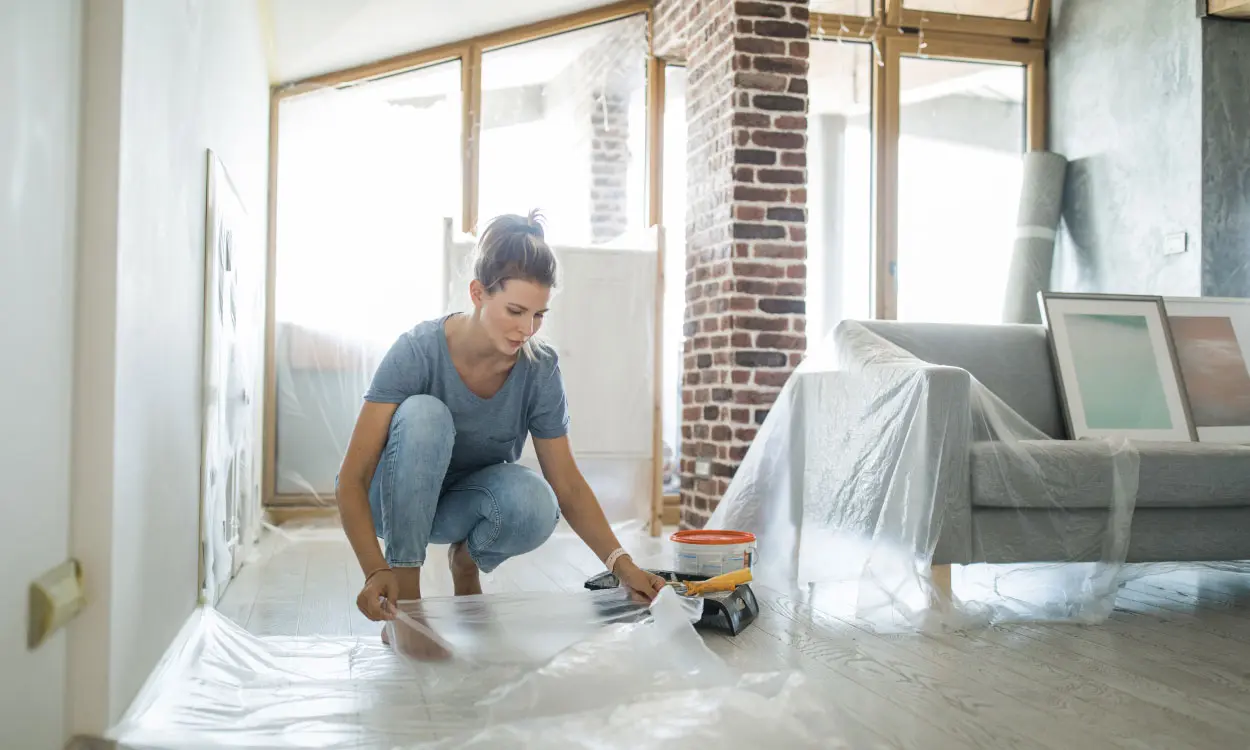
Step 5: Upgrade Interior Paint
Painting is one of the most affordable and impactful home improvement ideas. Fresh paint instantly transforms rooms and creates a cleaner appearance.
Choose neutral colors for a timeless look or add accent walls for visual interest. High-quality paint provides better durability and coverage.
Step 6: Improve Lighting
Lighting dramatically influences a home’s atmosphere. Replace outdated fixtures with modern designs and install energy-efficient LED bulbs.
Layer lighting using ambient, task, and accent lighting to create balanced illumination throughout the home.
Step 7: Enhance Storage Solutions
Clutter can make even beautiful homes feel crowded. Add shelves, cabinets, storage benches, and closet organizers to maximize available space.
Effective storage solutions improve organization and make daily activities more convenient.
Step 8: Update the Kitchen
The kitchen is often considered the heart of the home. Small upgrades can make a significant difference without requiring a full renovation.
Consider replacing cabinet hardware, updating countertops, installing a backsplash, or upgrading appliances to improve both appearance and functionality.
Step 9: Renovate Bathrooms
Bathrooms are among the most valuable areas to improve. Replace old fixtures, upgrade lighting, install modern mirrors, and improve ventilation.
Simple improvements can create a cleaner, more luxurious appearance while increasing home value.
Step 10: Upgrade Flooring
Old flooring can negatively impact the overall look of a home. Consider hardwood, laminate, vinyl, or tile flooring depending on your budget and preferences.
Durable flooring materials improve aesthetics while reducing maintenance requirements.
Step 11: Improve Energy Efficiency
Energy-efficient upgrades help lower utility bills and support environmental sustainability.
Install energy-efficient windows, improve insulation, seal air leaks, and use smart thermostats to optimize energy consumption.
Step 12: Enhance Curb Appeal
First impressions matter. Improve your home’s exterior by maintaining landscaping, painting the front door, upgrading outdoor lighting, and cleaning pathways.
An attractive exterior enhances property value and creates a welcoming appearance.
Step 13: Create Outdoor Living Spaces
Outdoor spaces extend your home’s functionality. Add patios, decks, seating areas, or gardens to create enjoyable environments for relaxation and entertainment.
Even small outdoor improvements can significantly enhance overall living experiences.
Step 14: Incorporate Smart Home Technology
Modern smart devices improve convenience and security. Consider smart locks, security cameras, thermostats, lighting systems, and voice-controlled devices.
Technology integration makes daily life more efficient while increasing property appeal.
Step 15: Perform Regular Maintenance
Home improvement does not end after renovations. Regular maintenance protects your investment and prevents costly repairs.
Schedule inspections, clean gutters, service HVAC systems, and address issues promptly to maintain optimal home conditions.
Benefits of Home Improvement
Home improvement offers numerous advantages, including:
- Increases property value
- Enhances visual appeal
- Improves comfort and convenience
- Creates safer living environments
- Reduces maintenance costs
- Boosts energy efficiency
- Lowers utility bills
- Increases storage capacity
- Improves functionality
- Supports modern living needs
- Enhances indoor air quality
- Increases resale potential
- Encourages better organization
- Improves outdoor living spaces
- Enhances family satisfaction
Disadvantages / Risks
Although home improvement provides many benefits, certain risks should be considered:
- Unexpected project costs
- Budget overruns
- Construction delays
- Poor contractor performance
- Incorrect DIY installations
- Temporary disruption to daily life
- Permit and regulatory challenges
- Potential safety hazards
- Material shortages
- Design mistakes
- Hidden structural issues
- Over-improving beyond neighborhood standards
- Stress from project management
Proper planning and professional guidance can help minimize these risks.
Common Mistakes to Avoid
Many beginners make avoidable mistakes during home improvement projects. One common mistake is starting renovations without a clear plan. Without defined goals and budgets, projects can quickly become expensive and disorganized. Always create a detailed roadmap before beginning any work.
Another frequent error is prioritizing appearance over functionality. While aesthetics are important, practical improvements such as repairs, insulation, storage, and energy efficiency often provide greater long-term value. Balancing beauty with usability ensures better results.
Homeowners also tend to underestimate costs and timelines. Unexpected expenses frequently arise during renovations. Maintaining a contingency budget can help manage surprises. Additionally, ignoring permits, hiring unqualified contractors, or choosing low-quality materials can lead to costly problems later.
Failing to consider future needs is another mistake. Home improvements should support both current and future lifestyles. Choosing timeless designs and durable materials helps maintain value and functionality over time.
FAQs
1. What are the easiest home improvement projects for beginners?
Painting walls, replacing cabinet handles, installing shelves, updating lighting fixtures, and organizing storage spaces are among the easiest projects. These improvements require minimal experience and can produce noticeable results.
2. How much should I budget for home improvement?
The budget depends on the project’s scope. Small improvements may cost a few hundred dollars, while major renovations can cost thousands. Setting a realistic budget and including extra funds for unexpected expenses is recommended.
3. Which home improvements increase property value the most?
Kitchen upgrades, bathroom renovations, energy-efficient improvements, landscaping, and flooring replacements often provide strong returns on investment and increase property value significantly.
4. Is DIY home improvement a good idea?
DIY projects can save money when tasks are simple and within your skill level. However, electrical work, plumbing, and structural modifications often require professional expertise for safety and compliance.
5. How can I improve my home on a limited budget?
Focus on affordable improvements such as painting, decluttering, updating fixtures, improving lighting, enhancing landscaping, and adding storage solutions. Small changes can create substantial improvements without major expenses.
6. How often should home maintenance be performed?
Regular maintenance should occur throughout the year. Seasonal inspections, HVAC servicing, gutter cleaning, roof checks, and plumbing inspections help prevent costly repairs and maintain property value.
7. What are the best energy-efficient home upgrades?
Installing LED lighting, upgrading insulation, sealing air leaks, replacing old windows, and using smart thermostats are effective ways to improve energy efficiency and reduce utility costs.
8. How long does a typical home improvement project take?
Project duration varies based on complexity. Small projects may take a few days, while major renovations can require weeks or months. Proper planning helps establish realistic timelines.
Expert Tips & Bonus Points
Successful home improvement starts with careful planning. Always prioritize repairs and essential upgrades before cosmetic enhancements. Addressing foundational issues creates a stronger base for future improvements.
Research products thoroughly before purchasing materials. Quality products often provide better durability and long-term value. Investing slightly more upfront can reduce maintenance and replacement costs later.
Consider energy efficiency whenever possible. Sustainable improvements not only lower utility bills but also increase property appeal. Smart home technology, efficient appliances, and proper insulation are valuable investments.
Document all improvements and keep receipts for future reference. These records can support property valuations and simplify resale processes. Finally, focus on improvements that align with your lifestyle and needs rather than simply following trends.
Conclusion
Home improvement is one of the most rewarding investments homeowners can make. Whether your goal is enhancing comfort, increasing property value, improving functionality, or creating a more attractive living environment, thoughtful upgrades can deliver significant long-term benefits. The best results come from careful planning, realistic budgeting, and prioritizing projects that address both current needs and future goals.
Beginners often assume home improvement requires extensive experience or large financial commitments. In reality, many impactful improvements are affordable and accessible. Simple changes such as painting, upgrading lighting, organizing storage, and improving curb appeal can dramatically transform a home. Larger projects, including kitchen renovations, bathroom upgrades, and energy-efficient improvements, offer even greater returns when executed properly.
Understanding potential risks and avoiding common mistakes helps ensure successful outcomes. By focusing on quality materials, practical solutions, and regular maintenance, homeowners can maximize the value of their investments while creating spaces they genuinely enjoy.
Ultimately, home improvement is about making your living environment better suited to your lifestyle. Every improvement, no matter how small, contributes to a safer, more comfortable, and more enjoyable home. With patience, planning, and the right approach, anyone can transform their property into a beautiful and functional space that meets their needs for years to come.