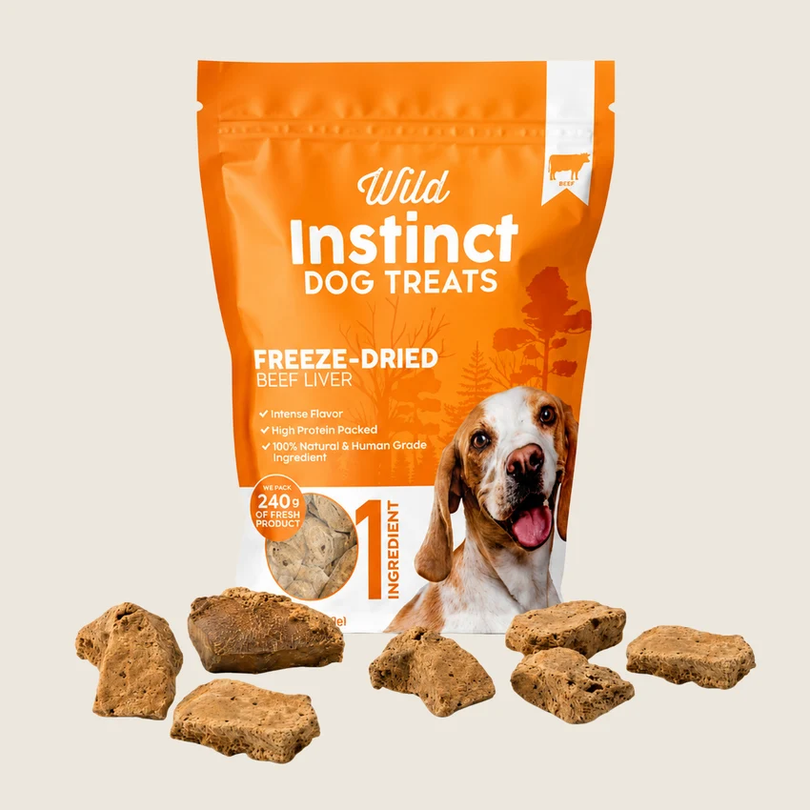

Beef liver has a long history as a nutrient-rich animal food, and it can also have a place in a dog’s diet when used in appropriate amounts. Wild Instinct Pet uses beef liver as the sole ingredient in its beef liver treats, giving pet parents a simple way to offer this organ meat as part of a treat routine. Beef liver for dog food can provide naturally occurring protein, vitamin A, vitamin B12, iron, and other nutrients. Its strong aroma can also make it appealing to many dogs. Still, liver is a concentrated food, so the amount and role it has in a dog’s overall diet deserve careful consideration.
What Is Beef Liver?
The liver is an organ that performs several important functions in the body of an animal, including processing nutrients and storing certain vitamins and minerals. Because of these functions, liver naturally contains a higher concentration of several nutrients than many cuts of muscle meat. For dogs, beef liver can provide protein along with nutrients such as vitamin A, vitamin B12, riboflavin, folate, iron, copper, and other micronutrients. The exact nutritional profile depends on the amount served and how the liver has been prepared. Unlike a regular beef muscle cut, liver is considered an organ meat. It is usually included in dog food or treats in smaller quantities rather than being used as the sole source of nutrition.
Why Liver Has a Strong Nutritional Profile
Liver is often described as nutrient-dense because a relatively small amount contains several vitamins and minerals. Vitamin B12, for example, is involved in normal blood cell production and nervous system function. Iron contributes to normal oxygen transport in the body, while vitamin A has roles related to vision, immune function, and normal cell activity. Protein is another useful part of liver’s nutritional profile. Dogs need protein as part of a balanced diet to support normal body maintenance and other functions.
The presence of these nutrients does not mean that feeding more liver is better. Some nutrients, especially vitamin A, can accumulate when consumed in excessive amounts over time. The goal is to use liver appropriately rather than treating it as an unlimited food.
Liver Compared With Muscle Meat
Muscle meat and organ meat both have a place in animal nutrition, but their nutritional profiles are not identical. Muscle meats such as beef, chicken, and turkey can provide protein and other nutrients. Liver contains protein too, but it is particularly concentrated in certain vitamins and minerals.
This difference is one reason liver is often used in smaller amounts in complete diets. A balanced dog food is formulated to provide a suitable combination of nutrients rather than relying heavily on one ingredient. Liver can therefore be thought of as one component within a broader feeding plan. Its value comes from the nutrients it naturally supplies, not from replacing every other ingredient in a dog’s diet.
How Beef Liver Can Appear in Dog Food
Beef liver can be used in several types of pet products. It may be included as an ingredient in complete dog food, mixed with other animal ingredients, or prepared as a standalone treat. The form can also vary. Fresh liver contains a high amount of moisture, while dried or freeze-dried liver has much of that moisture removed. This changes the weight and texture of the final product.
For pet parents, the label provides useful information about how liver is being used. If it appears near the beginning of an ingredient list, it makes up a larger proportion of the recipe than an ingredient listed farther down. The purpose of the product also matters. A complete dog food is designed to provide a full nutritional profile, while a liver treat is generally intended to supplement the regular diet in small amounts.
A Single-Ingredient Liver Treat
Some pet parents prefer treats with short ingredient lists because they can quickly see what they are feeding their dogs. A single-ingredient liver treat offers that simplicity. Wild Instinct Pet makes its beef liver treats using 100% beef liver. The product is gently freeze-dried, creating a lightweight treat that can be served whole, broken into smaller pieces, or crumbled over a dog’s regular food.
This format can be convenient for training because larger pieces can be divided into smaller rewards. It can also be used as an occasional topper when a dog enjoys the taste of liver. A simple recipe does not make a treat suitable for every dog, but it does make the ingredient information easier to understand.
Freeze-Drying and Beef Liver
Freeze-drying is one way of reducing the moisture content of food. The liver is frozen, and moisture is removed under controlled conditions. The result is a dry, lightweight product with a crunchy texture. This method can make liver easier to store and portion compared with fresh liver. A freeze-dried piece can also be broken into smaller pieces without the handling involved with raw or fresh organ meat.
Wild Instinct Pet uses a freeze-drying process for its beef liver treats. The product can be served as a standalone reward or used in smaller pieces during training. The preparation method should still be considered alongside storage instructions. Dry treats need to be protected from moisture after opening to help maintain their texture and freshness.
Why Dogs May Find Liver Appealing
Dogs often respond strongly to foods with a noticeable meat aroma. Liver has a distinct smell that can make it attractive as a reward, even when only a small piece is offered. This makes liver useful in situations where a pet parent wants a high-value reward. During training, for example, a small piece can be given after a dog follows a command or displays a desired behavior. Liver treats can also add variety to enrichment activities. Crumbled liver may be sprinkled over regular food, while small pieces can be incorporated into simple reward-based games. The strong flavor does not mean a dog needs large quantities. A small portion may be enough to provide the desired taste and reward.
Portion Size Deserves Attention
Liver is concentrated in nutrients, so portion control is an important part of feeding it. Large amounts given regularly can contribute excessive levels of certain nutrients, including vitamin A. The right amount depends on the dog’s size, age, activity level, health, and complete diet. Treats should generally remain a smaller part of daily food intake. A practical approach is to use liver as an occasional treat or training reward rather than allowing it to replace regular meals.
Pet parents can also:
- Break larger pieces into smaller rewards.
- Follow the feeding guidance provided with the product.
- Account for treats when considering daily food intake.
- Introduce new treats gradually.
- Ask a veterinarian for advice when a dog has special dietary needs.
Dogs following a prescribed diet may need specific guidance before additional treats are introduced.
Reading the Label Before Buying
The ingredient list is only one part of choosing a liver product. Nutritional information, serving guidance, preparation method, and storage instructions can also tell you how the product is intended to be used.
A useful label check includes:
Ingredients: Confirm whether the product contains beef liver alone or several ingredients.
Preparation: Check whether the liver is fresh, cooked, dehydrated, or freeze-dried.
Guaranteed analysis: Review the available protein, fat, fiber, and moisture information.
Serving instructions: Look for guidance based on dog size or other factors.
Storage: Follow the recommended storage conditions after opening.
These details make it easier to understand the role of the product in your dog’s routine.
Liver Does Not Replace a Balanced Diet
It is easy to focus on the nutrient content of an individual ingredient, but dogs need a much broader range of nutrients than liver alone can provide. A complete and balanced dog food is formulated to provide appropriate levels of protein, fat, vitamins, minerals, and other nutrients. Liver can be part of such a recipe or offered separately as a treat, but it should not become the foundation of a dog’s diet unless a veterinary nutrition professional has specifically formulated the diet that way.
This distinction is especially useful for pet parents who prepare food at home. Simply combining meat and liver does not automatically create a nutritionally complete meal.
What Makes Liver Useful as a Treat?
The appeal of beef liver comes from a combination of its nutritional content, strong flavor, and versatility. It can be offered in small pieces, used during training, or crumbled over food.
For Wild Instinct Pet, the single-ingredient approach keeps the company’s beef liver treat straightforward. Pet parents can see that the product is made from beef liver rather than a long combination of added ingredients.
The same principles can help when assessing other animal-based treats. Look at the ingredient list, understand how the product was prepared, and consider how it fits into the dog’s complete diet.
Choosing Beef Liver With Your Dog’s Needs in Mind
Beef liver for dog food can be a useful ingredient because it naturally supplies several important nutrients in a concentrated form. It can appear in complete dog food recipes or be offered separately as a treat. The most sensible choice depends on how the liver is being used. A complete food needs to meet broader nutritional requirements, while a liver treat needs appropriate portion control.
Wild Instinct Pet provides a simple example through its freeze-dried, single-ingredient beef liver treats. For pet parents, the main considerations remain straightforward: understand the ingredient, check the preparation method, read the feeding instructions, and keep the overall diet balanced. Liver can add flavor and nutritional variety to a dog’s routine, but its concentrated nature makes sensible portions just as important as ingredient quality.