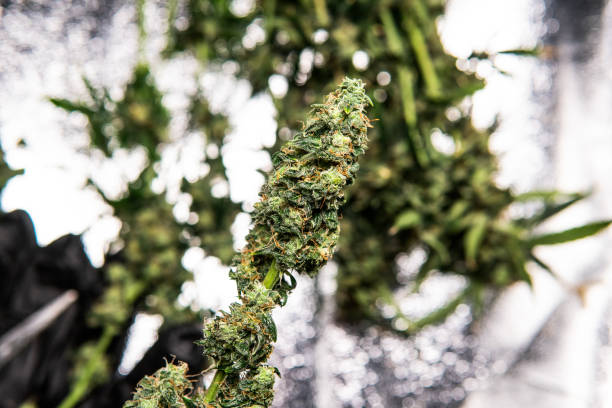

THCA flower is a cannabis product valued for its naturally occurring tetrahydrocannabinolic acid (THCA). THCA flowers are also appreciated for their natural plant characteristics, including their distinctive aroma, appearance, and texture. Like other plant-based products, their condition can change depending on how they are harvested, handled, packaged, and stored. Proper storage helps preserve their appearance, aroma, texture, and overall quality over time.
Knowing how to identify fresh THCA flowers can help consumers understand whether the product has been stored under suitable conditions. Changes in colour, texture, aroma, or moisture can provide useful clues about its condition. However, visual and sensory inspection cannot confirm potency, purity, or safety on its own.
What Does Fresh THCA Flower Look Like?
Fresh THCA flower generally has a healthy, well-preserved appearance. Its characteristics can vary depending on the plant variety, cultivation methods, curing process, and age.
Look for Natural Colour
Fresh flower commonly has shades of green, although the exact colour can vary. Some varieties may contain purple, orange, red, or other natural tones.
The colour should generally appear consistent with the product’s expected characteristics. Excessive browning, dullness, or widespread discolouration may indicate ageing, poor storage, or exposure to unsuitable conditions.
A small amount of colour variation does not necessarily mean the flower is poor quality. Natural plant differences can affect appearance.
Examine the Surface
THCA flower is typically covered with small structures called trichomes. These can give the flower a frosty or crystalline appearance.
A healthy-looking flower may have visible trichomes distributed across its surface. Excessive handling can remove some of these structures, so loose material at the bottom of packaging does not necessarily indicate that the flower was originally low quality.
Check the Aroma
Aroma can provide another indication of how flower has been handled and stored.
Fresh cannabis flower often has a noticeable plant-based or aromatic scent. The specific aroma can vary considerably depending on its natural compounds.
Avoid Strong Musty or Unusual Odours
A strong musty, damp, or unpleasant smell can be a warning sign. Such odours may be associated with excessive moisture or microbial growth.
A chemical, solvent-like, or otherwise unusual odour may also warrant caution. Consumers should not rely on smell alone to determine whether a product is safe, but unusual odours are a reason to avoid using questionable material.
Consider Aroma Changes Over Time
Even properly stored flower can gradually lose some of its aroma as it ages. This does not necessarily mean it has become unsafe, but it can indicate that the product is no longer as fresh as it once was.
Exposure to air, heat, and light can accelerate the loss of volatile aromatic compounds.
Examine the Texture
Texture is one of the most useful characteristics to consider when assessing stored flower.
Avoid Excessively Wet Flower
Flower that feels unusually wet, sticky, or damp may have been exposed to excessive moisture. High moisture levels can create conditions that encourage mould and other microbial growth.
Flower should not feel waterlogged or remain noticeably wet when handled.
Avoid Extremely Dry Flower
Overly dry flower may become brittle and crumble easily. Excessive dryness can occur when flower is stored in low-humidity conditions for extended periods.
Very dry material may also lose aroma and become less pleasant to handle. Although dryness and freshness are related, extremely dry flower is not automatically unsafe.
Look for Balanced Moisture
Properly stored flower generally maintains a balance between being excessively wet and excessively dry. It should have some structure and resilience rather than immediately falling apart or feeling damp.
Inspect for Signs of Mould
Mould is one of the most important issues to watch for when examining stored cannabis flower.
Common Visual Warning Signs
Potential mould may appear as unusual white, grey, green, or fuzzy growth. However, not every light-coloured substance is mould. Trichomes naturally create a crystalline appearance and can sometimes be mistaken for contamination.
If material appears unusually fuzzy, web-like, or inconsistent with normal trichomes, it should be treated cautiously.
Do Not Use Questionable Flower
If there are visible signs of mould or suspected contamination, the safest approach is not to use the product. Brushing away visible growth does not necessarily remove contamination that may have spread beyond what can be seen.
Consumers should also avoid relying on smell or appearance to declare questionable flower safe.
How Proper Storage Affects THCA Flower
Storage conditions can significantly influence how flower changes over time. Four major environmental factors are temperature, humidity, light, and air exposure.
Temperature
High temperatures can accelerate chemical and physical changes in plant material. Flower is generally better protected when kept in a stable, moderate environment away from excessive heat.
Avoid leaving it in locations that experience significant temperature fluctuations, such as hot vehicles, direct sunlight, or areas near heating equipment.
Humidity
Humidity plays an important role in preserving texture and reducing the risk of microbial growth.
Excessive humidity can encourage mould, while extremely dry conditions can cause flower to lose moisture too quickly. A controlled storage environment is therefore preferable to constantly changing conditions.
Light
Direct light, particularly prolonged exposure to strong sunlight, can contribute to degradation over time.
Keeping flower in a dark or opaque storage environment can help reduce unnecessary light exposure.
Air Exposure
Repeated exposure to air can gradually affect aroma, moisture, and overall condition.
A suitable airtight container can reduce unnecessary exposure to oxygen and environmental humidity. Containers should also be appropriately sized rather than leaving a large amount of empty air around a small quantity of flower.
Choose Suitable Storage Containers
The container used for storage can make a significant difference.
Use an Airtight Container
An airtight container helps limit exposure to outside air and humidity. It can also reduce the transfer of external odours into the stored material.
The container should be clean and dry before use.
Avoid Unsuitable Materials
Storage should be designed to protect the flower from light, moisture, and excessive air exposure. The container should not introduce strong odours or contaminants.
Avoid storing flower in containers that have previously held substances with strong smells or residues.
Keep THCA Flower Away From Common Storage Problems
Several everyday storage habits can reduce product quality.
Avoid Direct Sunlight
Do not leave stored flower on windowsills, dashboards, or other areas exposed to prolonged sunlight.
Avoid Excessive Heat
Hot environments can accelerate deterioration. A stable storage location away from heat sources is generally more suitable.
Avoid Frequent Handling
Repeatedly touching and moving flower can damage its delicate surface structures and transfer oils or contaminants from the hands.
Handling it only when necessary can help preserve its physical condition.
How to Assess Older THCA Flower
Age alone does not provide enough information to determine whether flower is suitable for use. Properly stored material may retain its characteristics longer than material exposed to heat, light, moisture, or air.
When assessing older flower, check its:
- Colour
- Aroma
- Texture
- Surface appearance
- Storage history
- Packaging condition
- Expiration or recommended-use information, when provided
If several characteristics have changed significantly, the product may have deteriorated.
Why Packaging Information Matters
Packaging can provide information that cannot be determined through visual inspection.
Depending on the jurisdiction and product, packaging may include information about the product’s contents, batch or lot identification, testing, production date, storage instructions, and other relevant details.
Laboratory testing is particularly important because appearance and smell cannot reliably confirm cannabinoid concentration, contaminants, pesticides, heavy metals, or microbial safety.
Consumers should follow applicable local laws and the manufacturer’s storage and handling instructions.
Final Thoughts
Identifying fresh and properly stored THCA flower involves paying attention to several characteristics rather than relying on one feature. Colour, aroma, texture, surface appearance, packaging, and storage conditions can all provide useful information about how the flower has been maintained.
Proper storage generally means protecting the flower from excessive moisture, heat, light, and air while keeping it in a clean, suitable container. At the same time, visual inspection cannot establish that a product is safe or accurately determine its potency.
When there are signs of mould, contamination, unusual odours, or significant deterioration, it is best not to use the material. Careful storage and attention to product information can help preserve quality while reducing avoidable storage-related problems.