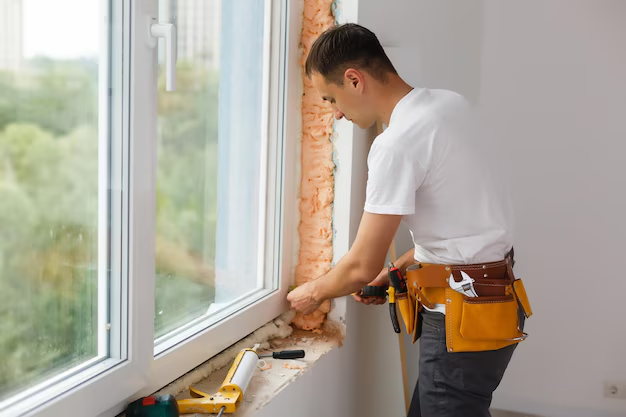

Replacing windows in a commercial property involves more than removing old glass and installing new units. The work can affect offices, retail areas, hallways, equipment, employees, customers, and daily access to the building.
A well-planned project can reduce unnecessary disruption while addressing problems such as damaged frames, drafts, water intrusion, difficult operation, and deteriorating seals. Professional window replacement services can also help property managers evaluate existing conditions and coordinate installation requirements with the building’s operational needs.
Start With a Building-Wide Window Assessment
Before scheduling replacement work, property managers should understand the condition of the existing windows. Not every window may need to be replaced at the same time. Some areas may have damaged frames, while others may have problems with seals, hardware, glass, or surrounding finishes.
A detailed assessment can identify patterns across the property and help determine which openings require attention first.
The assessment should consider:
- Age and general condition of the windows
- Visible frame deterioration
- Cracked or damaged glass
- Difficulty opening or closing windows
- Failed or deteriorated seals
- Evidence of moisture around openings
- Drafts or noticeable air movement
- Condition of surrounding wall materials
Understanding these conditions before work begins can make the replacement plan more precise.
Identify Areas Most Likely to Cause Disruption
Window work can temporarily affect access to rooms and exterior areas. Offices near windows may need furniture moved, while retail or public spaces may require temporary barriers.
Property managers can map affected areas before installation begins. This makes it easier to coordinate work around important building activities.
Areas that may require special planning include:
- Customer-facing spaces
- Reception and waiting areas
- Executive offices
- Conference rooms
- Classrooms or training areas
- Areas containing sensitive equipment
- Hallways and shared workspaces
- Exterior walkways near installation zones
Understanding these locations early gives the project team more time to develop practical access arrangements.
Review the Existing Window and Wall Conditions
A replacement window does not exist independently from the surrounding building envelope. The condition of the opening, framing, flashing, insulation, sealants, and adjacent wall materials can influence installation.
Removing an old window may expose deterioration that was not visible from inside the building. Moisture damage, deteriorated wood, corrosion, or damaged surrounding materials may require attention before the new unit is installed.
A pre-installation inspection can help identify potential complications before crews arrive. This allows property managers to plan for additional work rather than discovering unexpected conditions halfway through the project.
Consider Window Performance Beyond Appearance
New windows can change the appearance of a commercial property, but visual appeal is only one consideration. The selected units should also suit the building’s functional requirements.
Factors worth reviewing include:
- Frame material and construction
- Glass configuration
- Weather exposure
- Ventilation requirements
- Noise conditions
- Security considerations
- Ease of operation
- Cleaning and maintenance requirements
- Compatibility with existing openings
The appropriate combination depends on the property and its intended use. A busy storefront may have different requirements from an office building, warehouse, medical facility, or multi-tenant property.
Coordinate Installation With Other Building Work
Window projects often overlap with other maintenance activities. Exterior painting, masonry repairs, interior finishing, HVAC work, and wall repairs may all be affected by window replacement.
Coordinating these activities can reduce duplicated labor and prevent newly completed surfaces from being damaged.
Facility Network can help property teams coordinate window work with broader facility maintenance schedules. Keeping related projects organized can make it easier to determine which work should happen before installation and which tasks should follow afterward.
For example, exterior wall repairs may need to be completed before new windows are installed, while interior trim or painting may be scheduled after installation is complete.
Protect Interior Spaces During Installation
Removing and installing windows can generate dust and debris. Tools and materials may also need to move through occupied portions of the building.
Interior protection should be planned before work begins. Furniture, flooring, equipment, and sensitive areas may need to be covered or relocated.
A practical protection plan can include:
- Covering floors near active work areas
- Protecting furniture and equipment
- Moving fragile items away from windows
- Installing temporary barriers
- Establishing designated material routes
- Limiting access to active installation zones
- Cleaning work areas regularly
This becomes particularly important in buildings that remain occupied throughout the project.
Plan Around Occupancy and Business Activity
A window project does not necessarily require an entire building to close. Work can often be organized in sections, depending on the property layout and installation requirements.
Property managers should identify periods when certain rooms are less occupied. Conference schedules, customer appointments, deliveries, employee shifts, and other regular activities can help determine an appropriate sequence.
Clear communication also reduces confusion. Employees should know which areas will be affected, how long access may change, and where temporary routes are located.
Pay Attention to Exterior Access
Window installation often requires exterior access around the building. Depending on the project, workers may need space for equipment, materials, ladders, lifts, or temporary staging.
Parking areas, sidewalks, entrances, landscaping, and loading zones can all be affected.
Before work begins, the property team should identify areas that may need temporary restrictions. Nearby tenants and building users may also need advance notice if their normal access will change.
Exterior planning should account for:
- Equipment staging areas
- Pedestrian routes
- Parking restrictions
- Loading and delivery access
- Landscaping near work zones
- Building entrances
- Emergency access routes
Planning these details early can prevent unnecessary conflicts once installation begins.
Verify Water Management Details
A new window should form a suitable barrier against weather exposure. Proper installation around the opening matters because water can enter through gaps, failed seals, or improperly handled flashing.
The surrounding wall assembly should be considered as part of the installation rather than treating the window as an isolated component.
After installation, the work area should be inspected for visible gaps, damaged finishes, incomplete sealing, or other concerns. Depending on the project, additional testing may also be appropriate.
Keep Documentation for Future Maintenance
Window replacement is a long-term property decision, so documentation should not end when installation is finished.
Property managers can keep records of the window types, locations, installation dates, warranties, hardware information, and maintenance recommendations. Photos of completed work may also be useful for future reference.
A useful replacement record can contain:
- Window manufacturer and product information
- Installation dates
- Locations of replaced units
- Warranty documentation
- Hardware specifications
- Maintenance instructions
- Photos of completed installations
- Notes about unusual installation conditions
A clear record helps future maintenance teams identify which products were installed and where specific units are located.
Plan the Project in Phases When Appropriate
Large buildings may not need every window replaced at once. Phased work can allow property managers to spread disruption across different areas and coordinate replacement with other planned improvements.
A phased project may also make it easier to identify installation issues early and adjust the process before work reaches other sections of the property.
The right sequence depends on building layout, window condition, operational requirements, weather exposure, and the scope of the project.
Property managers can prioritize areas based on factors such as:
- Condition of existing windows
- Frequency of occupant use
- Exposure to weather
- Evidence of water intrusion
- Importance of the affected space
- Relationship to other planned renovations
A Window Upgrade Should Fit the Building’s Daily Routine
Window replacement can improve a building’s condition, but the project itself needs careful coordination. Property managers have to consider the existing openings, interior spaces, exterior access, occupants, related maintenance work, and future upkeep.
A practical plan gives installation crews room to work while helping employees, customers, and tenants continue using the property with fewer interruptions. For property managers preparing for a window project, contact us today to discuss the building’s requirements and coordinate the work around its operational needs. Good planning can make the installation process easier to manage and leave the property ready for continued use.