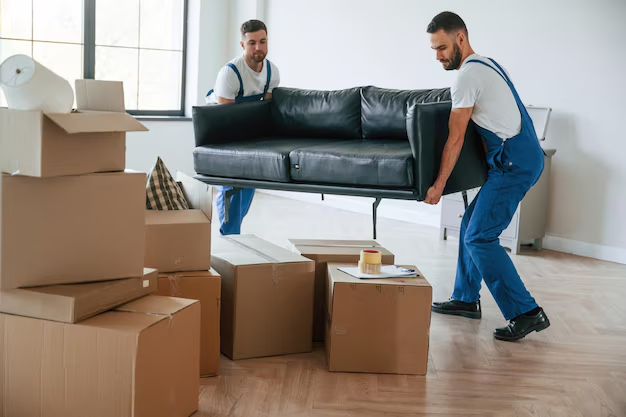

Moving furniture across Melbourne can involve more planning than simply carrying items from one address to another. Large sofas, wardrobes, dining tables, beds and cabinets each require different handling. A narrow stairwell, tight hallway, small lift or busy street can turn a straightforward move into a difficult job.
For households preparing for a relocation, working with a furniture removalist in Melbourne can make the physical side of the move easier to manage. Good preparation still matters, though. Knowing what needs special attention before moving day can reduce delays, prevent avoidable damage and keep the move organised.
Create a Furniture Inventory First
Before anything is moved, make a simple list of the furniture going to the new property. This helps establish what needs to be dismantled, wrapped, carried carefully or transported separately.
Measure larger pieces as well. A wardrobe that fits comfortably in one room may not pass through a doorway or stairwell at the new property.
Record details such as:
- Furniture dimensions
- Number of large or heavy items
- Pieces requiring disassembly
- Fragile surfaces or glass components
- Items needing protective wrapping
- Furniture requiring special access arrangements
An inventory also makes it easier to identify furniture that no longer needs to make the trip.
Measure the Route, Not Just the Room
A common moving mistake is measuring the destination room while ignoring the route to it. Furniture has to travel through doors, corridors, staircases, lifts, garages and sometimes shared building entrances before reaching its final position.
Measure doorways and check the clearance around corners. For apartment buildings, find out whether the lift can accommodate larger pieces and whether building management has rules about moving times or lift use.
Pay attention to outdoor access too. Narrow driveways, steep entrances, parked vehicles and busy streets can affect how easily large furniture reaches the property.
Decide Which Furniture Needs Dismantling
Some furniture is safer and easier to transport after partial disassembly. Beds, dining tables, modular shelving, desks and certain wardrobes may have removable components that make them easier to carry.
Keep screws, brackets, bolts and other hardware together in clearly labelled bags. Tape each bag to the relevant furniture piece or store all hardware in one marked container.
Take photographs before dismantling complicated items. A few pictures showing how pieces connect can save time during reassembly.
Not every item should be taken apart, however. Older furniture, delicate joints, antique pieces and items with glued connections may be damaged by unnecessary dismantling.
Protect Surfaces Before Moving Day
Furniture can pick up scratches, dents, dust and scuff marks during a move. Preparation should account for both the furniture and the property.
Protective materials can be useful for:
- Glass table tops
- Polished timber
- Mirrors
- Upholstered sofas
- Cabinet doors
- Drawer fronts
- Metal frames
- Painted or lacquered surfaces
Drawers should generally be emptied before transport. Their contents add weight and can shift during handling. Doors and loose panels should also be secured so they do not swing open while furniture is being carried.
Corners deserve particular attention because they can catch on doorframes and walls during tight manoeuvres.
Check Melbourne Property Access
Property type can significantly affect moving arrangements. A ground-floor suburban home may offer straightforward access, while an apartment in Melbourne’s CBD may involve loading zones, lifts, security desks, stairs and restricted vehicle access.
Before moving day, confirm any building requirements and communicate access details clearly. If a parking permit, loading bay booking or lift reservation is required, arranging it ahead of time can prevent unnecessary waiting.
For homes on narrow residential streets, consider where a moving vehicle can safely stop without obstructing traffic or creating problems for neighbours.
Keep Essential Items Separate
Not everything needs to be packed with the furniture. Set aside items that will be needed immediately after arriving at the new property.
A separate essentials box might contain:
- Basic cleaning supplies
- Phone chargers
- Important documents
- Toiletries
- Basic kitchen items
- Tools for minor adjustments
- Water and snacks
- Bedding for the first night
Keeping these items accessible means you will not have to search through multiple boxes after the furniture arrives.
Give Fragile Furniture Extra Attention
Some furniture pieces require more than a standard blanket or protective cover. Antique cabinets, marble tables, glass display units, delicate timber pieces and furniture with intricate detailing may need specialised handling.
Make the moving team aware of fragile or unusually heavy pieces before work begins. Clear information allows suitable handling methods and equipment to be considered.
CBD Movers can be included in the planning process when households are organising the practical details of a Melbourne move. Clear communication about furniture type, property access and special requirements helps create realistic moving arrangements.
Clear the Working Path
A clear path can make furniture handling safer and more efficient. Remove loose rugs, children’s toys, shoes, boxes, plants and other objects from hallways and doorways before movers arrive.
Keep pets and children away from active moving areas. Large furniture can block visibility, and several people may be carrying or guiding an item at the same time.
Check both properties before loading begins. The destination should have enough clear space to receive furniture without creating another obstacle course.
Plan the First Few Hours at the New Property
Furniture placement is easier when there is a basic room plan. Decide where large pieces should go before moving day rather than making every decision while furniture is being carried inside.
Marking rooms can also help. A simple label such as “bedroom”, “study” or “living room” gives everyone a clear destination for boxes and furniture.
Leave enough room around doors, windows, power points and walkways. A sofa that technically fits into a room may still create problems if it blocks an entrance or prevents another large item from being positioned.
Preparation Makes Furniture Moving Easier
Furniture moving becomes considerably easier when access, measurements, packing, dismantling and room placement are considered before the first item leaves the property. A few hours spent preparing can prevent rushed decisions and reduce the chances of damage or delays.
For households planning a move, professional assistance can also reduce much of the physical strain involved. Contact us today to discuss your moving requirements, furniture details, property access and the practical arrangements needed for moving day.